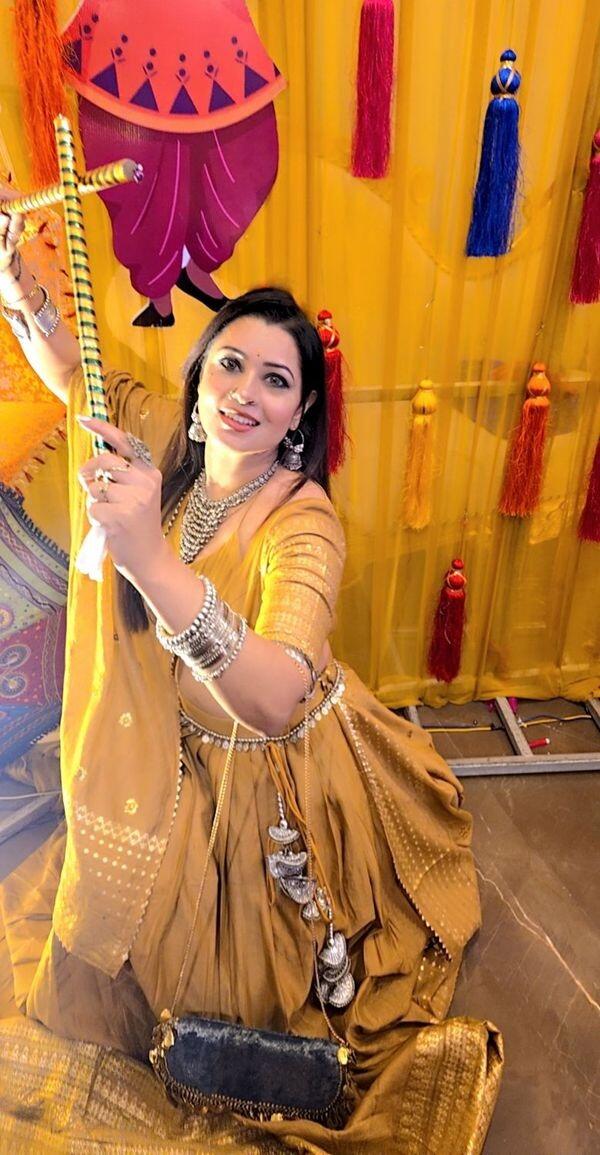
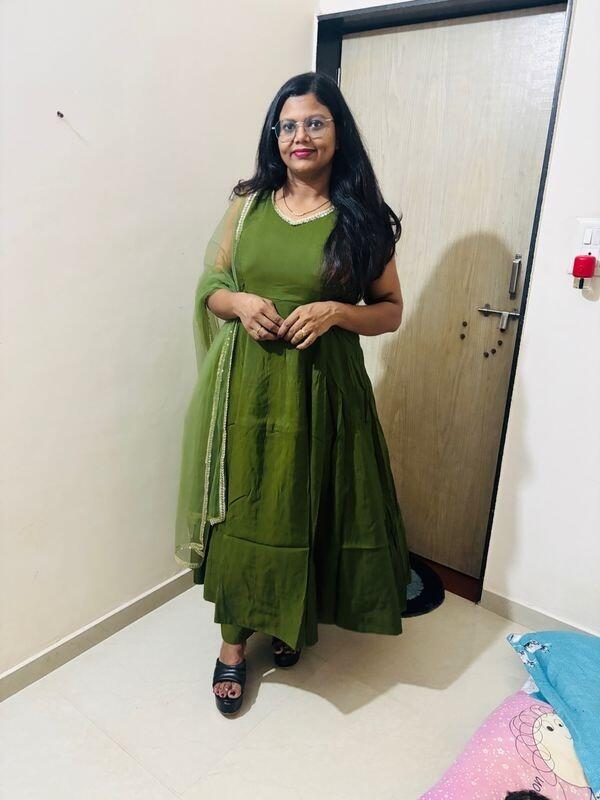
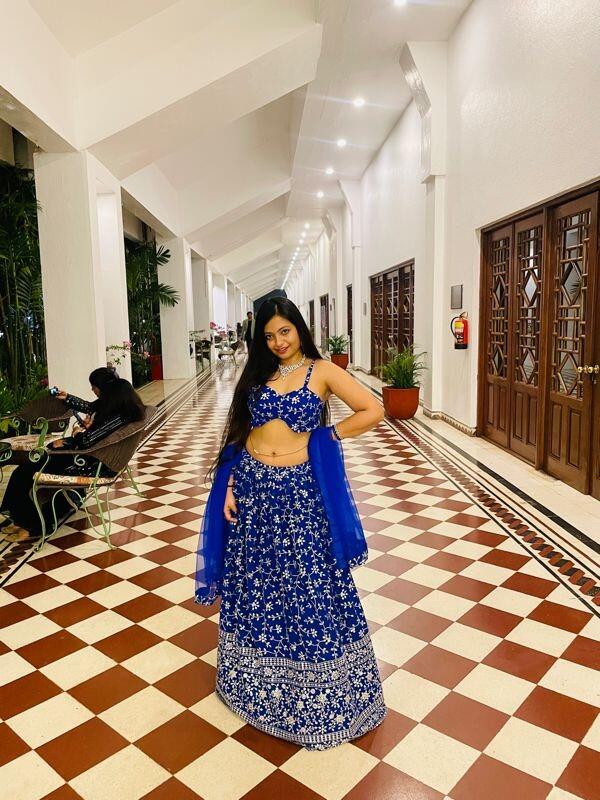
Remember when a salwar kameez was just reliable? The safe choice for family functions? Those days are gone. Today, two distinct styles have taken shape, pulling the classic outfit in different directions. One side leans dramatic and fashion-forward. The other holds firmly to culture and comfort. Pakistani salwar kameez and traditional Indian salwar kameez now stand on opposite ends of a very interesting style spectrum.
Let’s break down how they differ, where each one truly shines, and how you can pick the perfect look for your next occasion.
Understanding the Roots of Each Style
Traditional Salwar Kameez
This style grew from everyday life and celebration across places like Punjab, Rajasthan, and North India. The focus was always on balance.
You can spot it by a few key features:
• A structured kameez with a moderate, practical length.
• A straight or gently flared salwar for easy movement.
• The dupatta is a non-negotiable, cultural staple.
• Regional embroidery like Phulkari, delicate zari, or gota patti work.
In short, this style was built for real life for long rituals, family gatherings, and comfort that lasts all day. Style naturally followed function.
Pakistani Salwar Kameez
This version stepped into the global spotlight through fashion runways, celebrity weddings, and high-design collections. Its design language feels more editorial and intentional.
Common hallmarks include:
• A long, flowy kameez that often falls well below the knee.
• Fitted bottoms like cigarette pants, or dramatic wide palazzos.
• Concentrated, heavy embellishment around the neckline and sleeves.
• A softer, more refined color palette that lets the detailing speak.
This approach treats the outfit as a head-to-toe statement piece, not just daily wear.
Silhouette and Fit: The First Big Difference
The Traditional Fit
Here, the silhouette feels familiar and predictable. The kameez length is practical. The salwar is comfortably roomy. Dupattas are styled in classic, conservative ways.
This fit is best suited for:
• Long ceremonial events and pujas.
• Daytime family gatherings.
• Religious functions where modesty and ease are key.
The Pakistani Fit
This style plays with proportions to create an effect. Long, flowing kurtas paired with slim trousers create a tall, elegant line. The cuts are sharper. Every drape feels deliberate.
This fit is best suited for:
• Wedding receptions and evening festivities.
• Formal dinners and celebratory parties.
• Any occasion where a photogenic, elegant frame is the goal.
A quick look at fashion search data shows this long kameez style is dominating festive wear inquiries, especially among younger women looking for that elegant statement.

Fabrics and Embellishment: A Study in Contrast
Traditional Style Fabrics & Work
Think breathable, wearable fabrics: cotton, silk blends, chanderi, and georgette. The embroidery is often spread evenly across the outfit, beautiful but balanced. The final look feels complete without being overwhelmingly heavy.
Pakistani Style Fabrics & Work
Here, fabrics often carry a delicate or dramatic drape: fine lawn, sheer organza, net overlays, and rich raw silk. The embellishment strategy is different. Designers concentrate intricate work on specific zones: the neckline, the sleeve cuffs, and the hem. This draws the eye upward and creates a stunning impact in photographs.
As one bridal stylist put it, "Pakistani designs are made to be noticed from across a crowded room. Traditional designs are meant to be appreciated in the quiet moments up close."
Color Stories and Overall Impact
The color choices tell their own story about intent.
Traditional palettes celebrate cultural vibrancy:
• Bright festival reds and maroons.
• Sunny yellows and lively greens.
• Regional festive colors that pop with joy.
Pakistani palettes lean into refined drama:
• Soft ivories and elegant pastels.
• Deep, muted jewel tones.
• Subdued metallics and sophisticated shades.
One shouts a joyful celebration. The other whispers a confident statement.
Styling and the Dupatta's Role
How you handle the dupatta might be the clearest sign of which style you’re embracing.
Traditional draping is about respect and neatness:
• Draped formally over the head.
• Pleated neatly across both shoulders.
• An integral, structured part of the outfit.
Pakistani-inspired draping is looser and more accent-driven:
• Casually thrown over one shoulder.
• Styled to flow loosely for movement.
• Treated as a beautiful accessory rather than a strict requirement.
This shift mirrors modern lifestyle needs and the influence of how we present ourselves today.
The Final Word
Pakistani salwar kameez and traditional salwar kameez aren’t rivals. They are two different answers to two different questions. One offers the timeless, grounded comfort of culture. The other delivers fashion-forward elegance for a modern moment.
The most interesting wardrobes find a place for both. This beautiful balance, honoring roots while embracing new forms, is exactly where modern ethnic fashion is heading. It’s a direction we celebrate and thoughtfully reflect in every collection at Zeel Clothing.