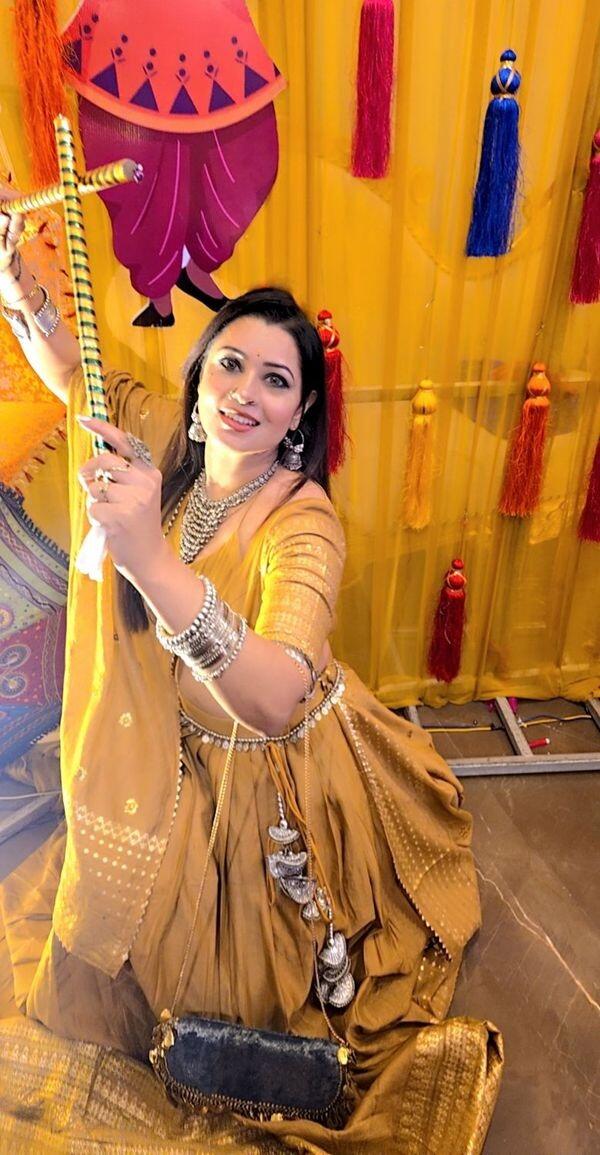
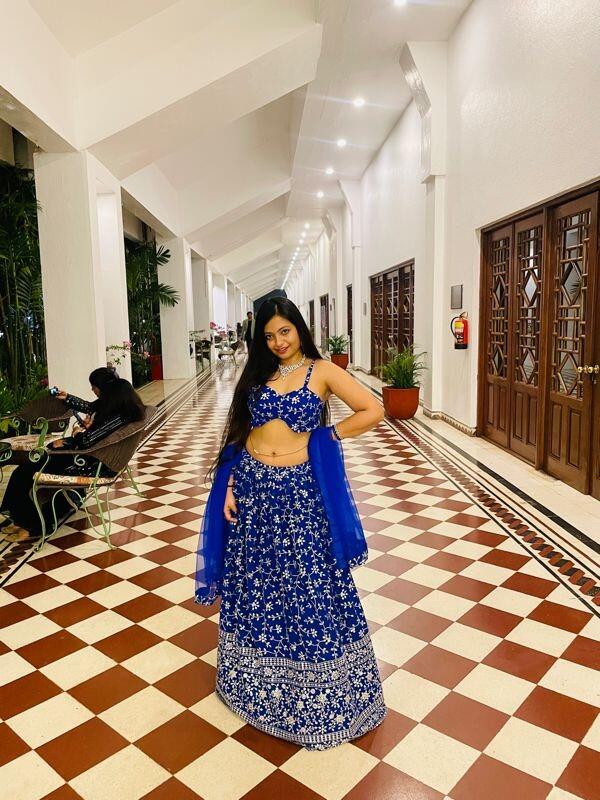
A wedding lehenga is not just another outfit. It is the most photographed, remembered and emotionally important piece of clothing many brides will ever wear. Surveys across bridal fashion platforms show that more than 65 per cent of brides now prefer customised lehengas over ready-made designs because fit, comfort and emotions matter more than trends alone. The process of selecting a customised lehenga that fits well will be discussed in this blog and will look beautiful and carry on throughout the ceremony until the final dance. Here, fabric, fit, colour, craftsmanship, timelines and real-world decision points are all addressed with no fluff.
Why Customised Lehengas Are Taking Over Bridal Fashion
Customisation gives authority. Ready-made lehengas usually compromise on fit or detailing, particularly for long wedding functions. A custom lehenga is built around body shape, ceremony needs and cultural importance.
Bridal designers report fewer post-wedding regrets from brides who go custom. One reason is simple. Every detail is intentional.
Key benefits include:
• Precise fit based on actual measurements
• Control over embroidery weight and placement
• Fabric choices suited to the climate and venue
• Personal storytelling through motifs or colours
Customisation also avoids the awkward moment of spotting the same lehenga on social media weeks later.
Understanding Body Type Before Choosing the Design
The customisation of a Lehenga begins with the knowledge of proportions. This is a step that is missed and then repent. A-line shapes are suitable for a majority of body types and give a sense of balance. The lehengas are circular and complement taller frames. Flare is controlled by the use of panelled skirts, which also make movement graceful. The blouse has as important a design as the skirt. Such a particularity of the neck, the extent of the sleeve, the shape of the blouse affects the posture and makes ceremonies more long and more comfortable.
Helpful design cues:
• Heavier embroidery near the hem elongates the frame
• Vertical panels slim the overall look
• Structured blouses offer better support than soft cuts
• The dupatta drape should complement the shoulder width
A good designer adjusts these elements quietly. The best results feel effortless, not engineered.
Fabric Selection Based on Weather and Venue
Fabric mistakes can ruin even the most beautiful design. Outdoor summer weddings demand breathable materials. Winter weddings allow heavier textures.
Popular bridal fabric choices include:
• Raw silk for structure and richness
• Velvet for winter evening ceremonies
• Organza for lightweight volume
• Georgette for movement and comfort
Due to lighter bases and surface embroidery rather than full-thread, beach or destination weddings have this advantage. The lehengas are heavy, which makes them look majestic within the house, yet tiring when one goes outside. The type of cloth used should never be ignored based on the length of time that the outfit is to be worn.
Choosing the Right Colour Beyond Red
Red still dominates Indian bridal wear, but customisation allows flexibility without breaking tradition. Modern brides explore deeper maroons, rust tones, blush pinks, ivory golds and jewel greens.
Colour selection depends on:
• Skin undertone
• Lighting at the venue
• Time of ceremony
• Jewelry pairing
Test fabric swatches under natural and artificial light. Many colours shift dramatically under wedding lighting. This step avoids disappointment on the actual day.

Embroidery That Tells a Story
Customisation is where embroidery is concerned. Several types of handwork, such as zardozi, resham, gota patti and sequin work have a varying visual burden.
Instead of covering the entire lehenga, smart customisation focuses on placement. Borders, panels and blouse motifs create balance without excess.
Personal touches are becoming popular:
• Initials hidden in embroidery
• Motifs inspired by family symbols
• Wedding date woven subtly into the design
These details add emotional value without being obvious.
Timeline Planning to Avoid Last-Minute Stress
Customised lehengas need time. Rushed orders increase error risk.
An ideal timeline:
• 4 to 6 months before the wedding: finalise the design and fabric
• 3 months before: first sample or mock fitting
• 6 to 8 weeks before: embroidery completion
• 3 to 4 weeks before: final fittings and alterations
Buffer time allows adjustments for weight changes or comfort issues. Brides who plan early report better overall satisfaction.
Budgeting Smart Without Cutting Corners
Customisation does not automatically mean expensive. Budget control comes from smart choices.
Cost-saving strategies:
• Invest more in a blouse and a dupatta, keep the skirt lighter
• Choose mixed embroidery instead of full handwork
• Limit colour layers to reduce dye and fabric costs
Clear communication prevents surprise expenses. A transparent cost breakup helps prioritise what matters most.
Comfort Is Not Optional
Comfort often gets ignored until the wedding day. Heavy lehengas affect posture, energy levels and mood. Test walking, sitting and standing during fittings. Check the blouse arm movement. Dupatta weight should not strain the shoulders. Brides who prioritise comfort enjoy their ceremonies more and look more relaxed in photos.
Final Checks Before Approval
Before final approval, confirm:
• Blouse lining and padding comfort
• Skirt length with wedding footwear
• Dupatta size and border weight
• Stitch quality inside seams
Small checks prevent big regrets.
Conclusion
The personal style, culture and emotion embroiled in a single piece of clothing define a tailor-made lehenga. Careful consideration, sincere dialogue and sound decision making build the end product than fashion will ever do. The lehenga is comfortable, potent and memorable when it is worn at the right time. This fit of style, comfort and uniqueness is what keeps brides referring to Zeel Clothing.